Key Insights
Design Thinking Impact
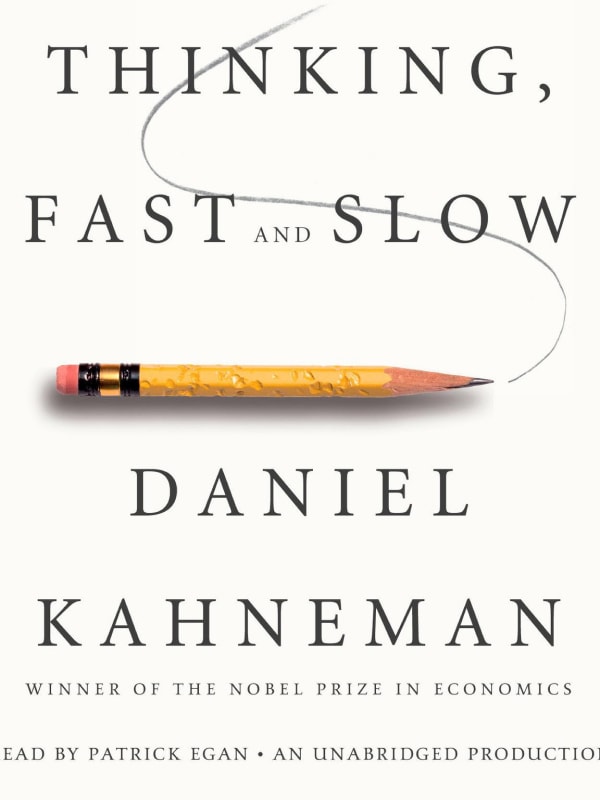
This book fundamentally changed how I approach user research and design decisions. Kahneman’s distinction between System 1 (fast, intuitive) and System 2 (slow, deliberate) thinking directly applies to how users interact with interfaces and how designers should approach problem-solving.
The concept of cognitive biases has become central to my design process. I now actively look for confirmation bias in user testing, anchoring effects in pricing interfaces, and availability heuristics in navigation design.
Leadership Lessons
As a design leader, understanding how people make decisions has been invaluable. The book taught me that even the most rational team members are subject to cognitive biases, which has made me more empathetic and better at facilitating discussions.
I’ve implemented “pre-mortems” in project planning, asking teams to imagine a project has failed and identify potential causes. This technique, inspired by Kahneman’s work on planning fallacy, has helped us catch issues before they become problems.
Practical Applications
- User Testing: I now design tests that account for System 1 vs System 2 thinking, ensuring we test both intuitive and deliberate user behaviors
- Interface Design: Understanding cognitive load helps me create interfaces that don’t overwhelm users’ System 2 thinking
- Team Facilitation: I use structured decision-making processes to minimize bias in design critiques and strategic discussions
Favorite Quotes
“The confidence that individuals have in their beliefs depends mostly on the quality of the story they can tell about what they see, even if they see little.”
This quote resonates deeply with design work. It reminds me that user feedback and design decisions are often based on the stories people tell themselves about their experiences, not necessarily the objective reality of the interface.
How It Shaped My Work
User Research: I now design research methods that account for both fast and slow thinking. For example, I conduct both quick “first impression” tests and longer, more deliberate usability sessions.
Design Decisions: When presenting design options, I structure information to help stakeholders engage their System 2 thinking for important decisions while keeping System 1-friendly interfaces for routine tasks.
Team Management: Understanding cognitive biases has made me a better facilitator. I now structure meetings to minimize groupthink and confirmation bias, leading to more diverse and creative solutions.
Recommendation
Every designer and product manager should read this book. It provides essential insights into human decision-making that directly apply to creating better user experiences and making better product decisions. The psychological principles are timeless and will fundamentally change how you approach your work.
Particularly valuable for: UX researchers, product managers, design leaders, and anyone involved in user-centered design processes.